
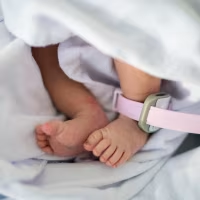
A new, extensive analysis shows that fewer newborns in the United States are receiving the hepatitis B vaccine, even among infants whose mothers are known to carry the virus. By June of this year, only about two‑thirds of babies were given the birth‑dose vaccine within 24 hours of delivery, a drop from roughly four‑fifths in 2022. The initial dose is especially important for children whose mothers are unaware they are infected and may pass the disease to their child during labor.
If a child contracts hepatitis B at birth, up to 90 percent will develop a chronic infection, which raises the likelihood of liver failure and liver cancer later in life. Administering the vaccine right after birth dramatically reduces those risks.
The research, conducted by Truveta—a health‑care data and analytics firm—examined the records of more than 1.3 million infants born in the United States between January 2018 and June 2024. Vaccination coverage rose from 76 percent in 2018 to 80 percent in 2022, but then fell sharply in mid‑2023, reaching 66 percent by June.
“It is alarming to observe a decline of almost fifteen percentage points over three years,” said Nina Masters, the study’s lead author and a principal applied research scientist at Truveta. “Infants born to hepatitis B‑positive mothers face a ninety‑percent chance of acquiring the infection at birth, which can lead to lifelong liver disease, cirrhosis and premature death. This is a preventable tragedy.”
The downward trend began before federal vaccine advisers voted in December to drop a longstanding recommendation that all newborns receive the hepatitis B shot at birth—a decision that was subsequently blocked by a federal judge after the American Academy of Pediatrics sued. The injunction remains in place.
The decline mirrors a broader rise in vaccine hesitancy. An NBC News investigation of kindergarten immunization data found that three‑quarters of U.S. counties no longer meet the coverage level needed to prevent measles outbreaks. Measles cases have surged nationwide, with nearly 6,000 infections and at least 13 deaths reported by state health departments, and the United States lost its measles‑elimination status on Nov. 16, undoing a major public‑health milestone.
“We often refer to measles as the canary in the coal mine. Those outbreaks are now evident,” said Dr. Richard Besser, a pediatrician and president of the Robert Wood Johnson Foundation. “The increase in unvaccinated newborns for hepatitis B is a silent threat; we won’t see the consequences until these children grow up and develop liver disease.”
The study, published Tuesday in NEJM Evidence, also noted a dip in vaccination rates among infants whose mothers were already known to be hepatitis B‑positive. From 2018 through 2025, up to 98 percent of these babies received the birth dose, but that figure fell to 94 percent in the first half of 2024.
After the Centers for Disease Control and Prevention began recommending a universal birth dose in 1991, acute hepatitis B cases among children dropped dramatically—by 99 percent between 1990 and 2019. A CDC analysis of children born from 1994 to 2023 estimated that the vaccine averted more than six million infections and nearly one million hospitalizations.
In 2023, the University of Minnesota’s Vaccine Integrity Project reviewed over 400 studies and found no evidence of short‑ or long‑term health problems associated with the hepatitis B birth vaccine.
“Undoing the gains of earlier public‑health initiatives endangers lives,” wrote Dr. James Conway, a pediatric infectious‑disease specialist and medical director of the UW Health Immunization Program in Madison, Wisconsin, in an email. “It is tragic, preventable, and deeply concerning.”