
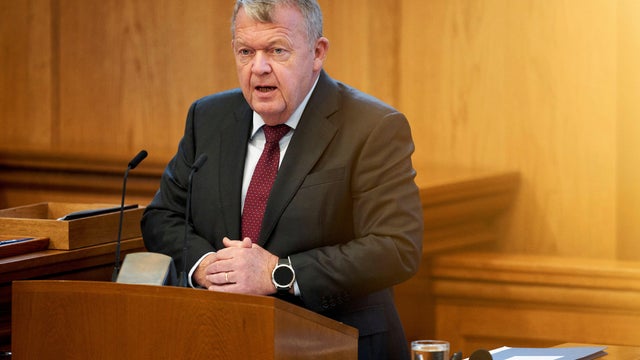
Copenhagen – Denmark’s parliament gave unanimous backing on Thursday to a long‑negotiated security pact with Greenland and the United States aimed at tightening defence cooperation across the Arctic and the North Atlantic.
The vote comes after months of pressure from President Donald Trump, who has repeatedly floated the idea of bringing the semi‑autonomous Danish territory of Greenland under U.S. control. The three‑way agreement signed by Trump, Danish Prime Minister Mette Frederiksen and Greenlandic Premier Múte Bourup Egede in September in New York is intended to smooth over those tensions and open the door for additional U.S. installations on the island.
Lawmakers approved the deal by a 109‑0 margin in the Folketing, clearing the final domestic hurdle. The agreement will take effect once Denmark and Greenland each notify Washington, via a diplomatic note, that their parliaments have completed the required procedures. Greenland’s own legislature had already endorsed the arrangement earlier in the month, also without dissent.
Because the instrument is classified as an agreement rather than a treaty, it does not require ratification by the U.S. Senate. U.S. ambassador to Denmark Kenneth Howery praised the Danish vote, saying on the social platform X that the “strong support” paves the way for the pact to become operational. He added, “The agreement is a tremendous accomplishment, one that modernizes our partnership for the security challenges of the future and bolsters the security of the United States, the Kingdom of Denmark, including Greenland, and all of NATO.”
The core of the deal is to expand the American military footprint in Greenland while keeping the island under Danish sovereignty. The provisions would remain in force even if Greenland were to pursue full independence later on. Building on a defence arrangement that dates back to 1951, the United States would be allowed to enlarge and upgrade its activities at the Pituffik Space Base in north‑west Greenland. It would also be permitted to establish new “defence areas” at Narsarsuaq in the south and at Mestersvig in the east, and to create additional zones and reinforce existing military sites throughout the territory.